

What Is Trauma?
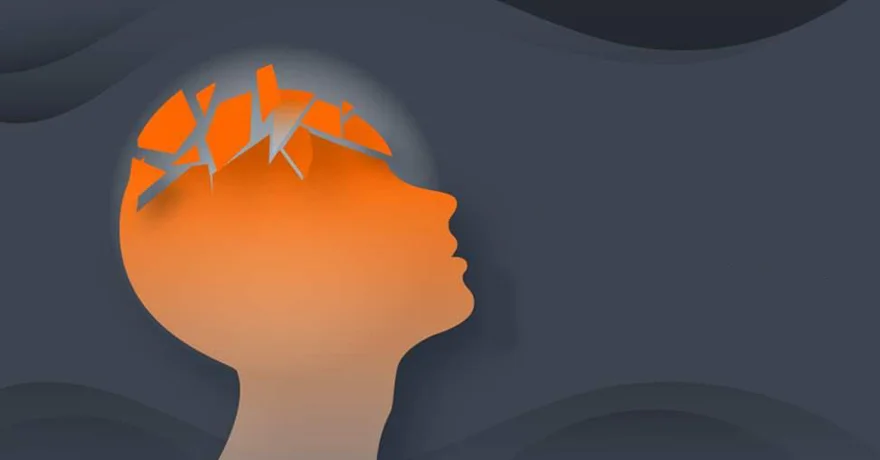
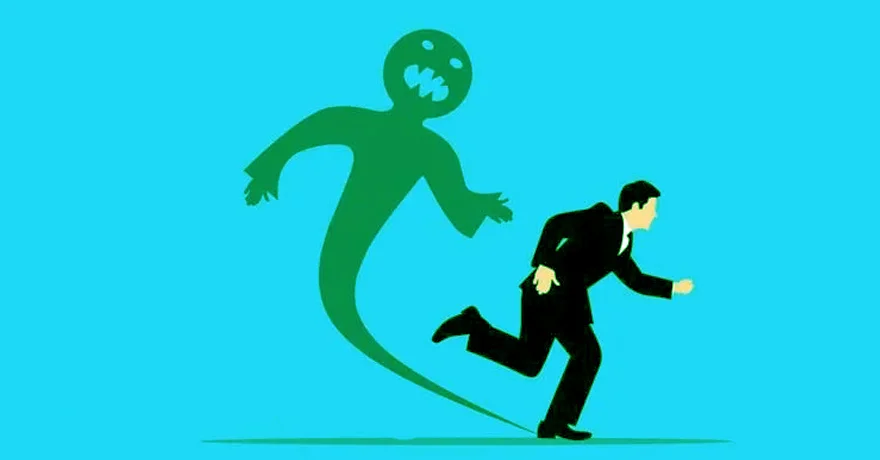
Trauma is a psychological response to a deeply distressing or disturbing event that overwhelms a person’s ability to cope. It can affect how a person thinks, feels, and behaves long after the event has passed.
In psychology, trauma refers to the emotional and mental impact caused by an extremely stressful or frightening experience. Events such as accidents, violence, abuse, natural disasters, or the loss of a loved one can all lead to trauma.
In some cases, trauma may lead to serious mental health conditions such as Post-Traumatic Stress Disorder.
Trauma does not affect everyone in the same way. While some people recover relatively quickly, others may struggle with the emotional effects for months or even years.
How Does Trauma Develop?
Trauma develops when the brain perceives a serious threat to safety or survival. During these moments, the body activates its survival system, releasing stress hormones like adrenaline and cortisol.
The brain typically reacts to danger through three primary responses:
Fight
Flight
Freeze
If the brain is unable to properly process the traumatic event, the memory may remain emotionally intense and unresolved. Over time, this unresolved experience can develop into trauma.
Types of Trauma
Psychologists generally categorize trauma into several main types, each with different causes and effects.
-
Acute Trauma
Acute trauma results from a single, overwhelming event. This type of trauma is often sudden and unexpected.
Examples include:
A seriouscar accident
Physical assault
Natural disasters
Because the event happens suddenly, it can leave a powerful emotional impact on the individual.
-
Chronic Trauma
Chronic trauma develops when a person is exposed to repeated stressful or harmful events over a long period of time.
Examples include:
Living in a violent environment
Ongoing emotional abuse
Long-term neglect
This type of trauma can gradually wear down a person’s emotional resilience and affect their mental health.
-
Complex Trauma
Complex trauma usually occurs during childhood and results from repeated traumatic experiences involving close relationships.
Examples include:
Childhood abuse
Emotional neglect by caregivers
Domestic violence
Complex trauma can strongly influence a person’s self-esteem, relationships, and emotional regulation later in life.
Symptoms of Trauma
The symptoms of trauma can vary widely from person to person. However, they often fall into three main categories: emotional, physical, and behavioral symptoms.
Emotional Symptoms
Persistent anxiety
Intense fear or panic
Depression
Emotional numbness
Feelings of guilt or shame
Physical Symptoms
Trauma can also affect the body. Common physical symptoms include:
Sleep problems or insomnia
Chronic fatigue
Headaches
Rapid heartbeat
Muscle tension
Behavioral Symptoms
Trauma can also influence behavior. Some common signs include:
Social withdrawal
Irritability
Difficulty concentrating
Avoiding certain people or places
In some cases, trauma symptoms may develop into a condition such as Post-Traumatic Stress Disorder.
The Effects of Trauma on the Brain
Research shows that trauma can change how certain parts of the brain function. These changes may affect memory, emotional regulation, and responses to stress.
Three important brain areas are commonly affected by trauma:
Amygdala
The amygdala processes fear and emotional reactions. In people with trauma, this area may become overactive, making them feel constantly alert or unsafe.
Hippocampus
The hippocampus is responsible for memory formation. Trauma may affect its function, making it harder to distinguish between past and present threats.
Prefrontal Cortex
This part of the brain helps regulate emotions and decision-making. Trauma may weaken its ability to calm fear responses.
Childhood Trauma
Trauma experienced during childhood can have long-lasting effects on emotional development and mental health.
Children who experience trauma may face challenges later in life such as:
Anxiety disorders
Depression
Relationship difficulties
Low self-esteem
Early intervention and emotional support are critical for helping children recover from traumatic experiences.
Trauma in Adulthood
Trauma is not limited to childhood. Many adults experience traumatic events during their lives.
Common causes of trauma in adulthood include:
The death of a loved one
Divorce or relationship breakdown
Serious accidents
Violence or assault
War or natural disasters
Each person’s response to trauma is unique, and some individuals may require professional help to process their experiences.
How Do You Know If You Have Trauma?
If a person continues to experience emotional distress long after a difficult event, trauma may be the cause.
Common signs include:
Repeated memories of the traumatic event
Nightmares
Avoidance of reminders of the event
Emotional numbness
Strong reactions to triggers or sudden noises
If these symptoms persist, seeking help from a mental health professional can be very beneficial.
Trauma Treatment
The good news is that trauma can be treated, and many effective therapeutic approaches are available.
- Psychotherapy
Psychotherapy is one of the most effective ways to treat trauma. Through guided conversations with a trained professional, individuals can process their experiences and develop healthier coping strategies.
- Cognitive Behavioral Therapy (CBT)
Cognitive Behavioral Therapy helps individuals identify and change negative thought patterns connected to traumatic memories.
- EMDR Therapy
Eye Movement Desensitization and Reprocessing (EMDR) is a specialized therapy designed to help the brain process traumatic memories in a healthier way.
- Relaxation and Mindfulness Techniques
Practices such as:
Meditation
Deep breathing exercises
Yoga
Can help regulate stress and promote emotional healing.
How to Cope With Trauma
If you or someone you know is dealing with trauma, these strategies may help:
Talk about your feelings with trusted people
Seek support from friends and family
Practice relaxation techniques
Maintain a healthy lifestyle
Consider professional counseling if symptoms persist
Healing from trauma takes time, but with the right support and strategies, recovery is possible.
Conclusion
Trauma is a powerful psychological response to distressing experiences that can significantly affect a person’s mental and emotional well-being. It may arise from accidents, violence, loss, or other deeply stressful events.
Understanding the symptoms and effects of trauma is the first step toward healing. With proper treatment, emotional support, and healthy coping strategies, individuals can recover and regain a sense of safety and stability in their lives.
If you believe that trauma is affecting your life, reaching out to a mental health professional can be an important step toward recovery.